
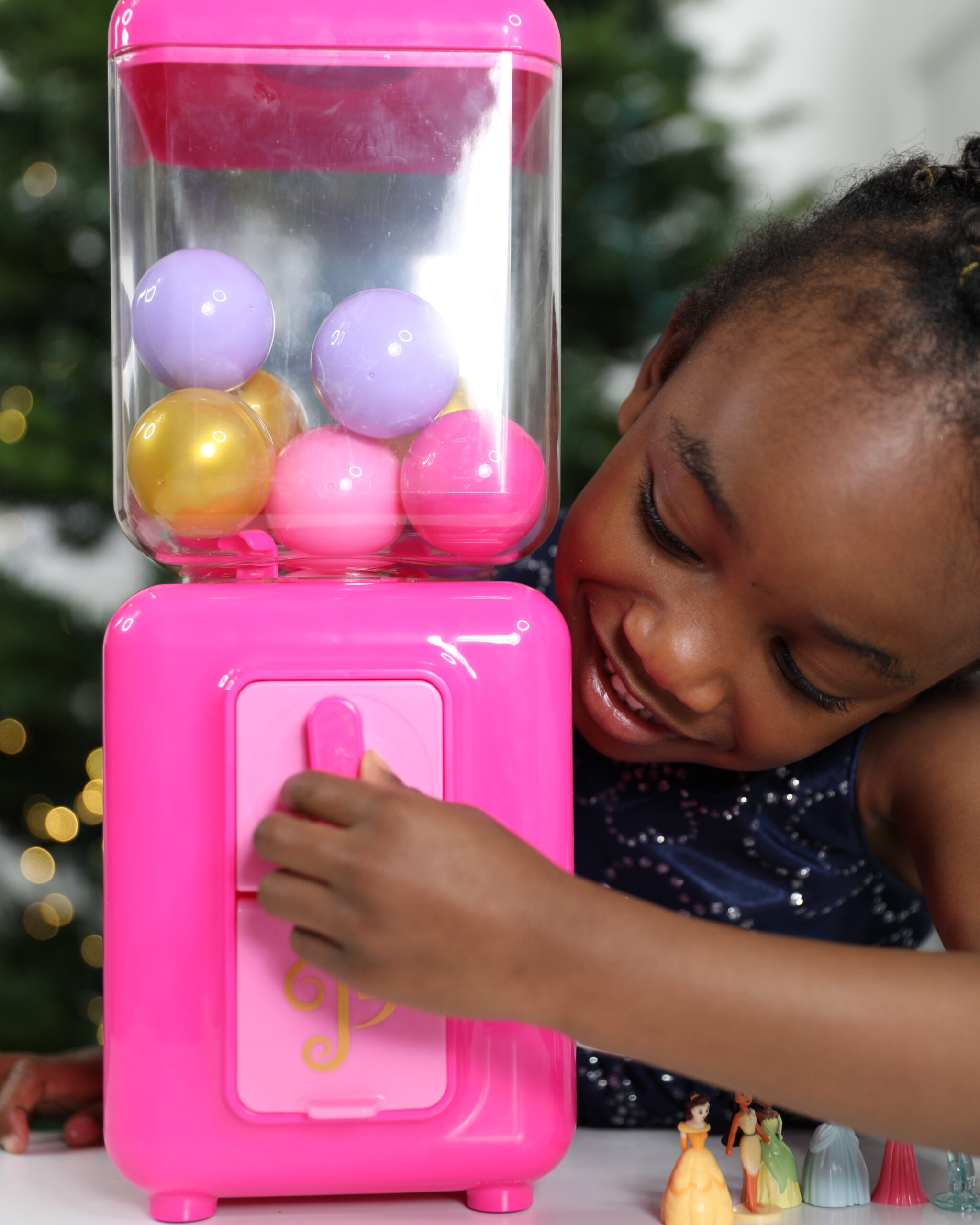
Marketing collectibles to Gen Z Moms and parents requires more than creating another limited-edition product. Gen Z consumers collect products as a way to express their identity, participate in communities, create content, and connect with their children.
For brands planning a Target toy launch, Walmart product launch, blind-box collection, licensed collaboration, or limited retail release, the opportunity is not simply to sell an individual item. The bigger opportunity is to create a collecting behavior that gives Gen Z parents a reason to discover, hunt, display, share, trade, and buy again.
At BSM Media, we study how Gen Z Moms discover products, evaluate recommendations, and make purchasing decisions. What we see is clear: collections have become social, public, fluid, and deeply connected to personal identity.
Why Do Gen Z Moms and Parents Collect Products?
Gen Z Moms and parents collect products because collections can communicate something about who they are, what they value, and the type of family culture they are creating.
A collection of Jellycat plush, Labubu figures, Sonny Angels, Stanley cups, sneakers, vinyl records, manga, skincare, vintage toys, or blind-box characters becomes a visible personality signal. Once these consumers become parents, collecting can also become a shared family experience.
A parent may begin buying a toy for a child and quickly become interested in rare versions, exclusive colors, licensed collaborations, or nostalgic characters. The line between a child’s collection and a parent’s collection is becoming less defined.
This is especially important in the growing kidult market. Gen Z parents may purchase toys for play, décor, nostalgia, content creation, gifting, or their own enjoyment. One product can serve several emotional and practical purposes.
Collections Help Gen Z Parents Express Their Identity
For previous generations, collections were often stored, protected, or displayed in a designated cabinet. Gen Z collections are more likely to be photographed, filmed, reorganized, ranked, reviewed, and shared.
The collection becomes part of the home and the parent’s personal aesthetic.
A Gen Z Mom may consider whether a toy looks good in a child’s bedroom, fits the color palette of a playroom, photographs well on a shelf, or reflects the parenting identity she shares online.
This means brands need to consider more than the product itself. Packaging, color, display options, storage, photography, and visual consistency can all influence whether the product feels collectible.
Brands looking for additional insight into this consumer can explore these 50 things brands need to know about Gen Z Moms.
Social Recognition Increases the Value of a Collection

A collectible becomes more meaningful when other people recognize its significance.
Gen Z Moms and parents discover collections through TikTok, Instagram Reels, YouTube, Reddit, Discord, private Facebook groups, resale platforms, and recommendations from Social Media Moms. These communities help consumers understand which items are rare, valuable, popular, or worth pursuing.
This is one reason Gen Z Influencers can be so effective in collectible marketing. They do more than introduce a product. They demonstrate how the product fits into a lifestyle and give their audiences a shared language for discussing it.
Content might include:
- Unboxing a blind-box product
- Ranking characters or variations
- Sharing a child’s reaction
- Searching for a rare version
- Styling a shelf or playroom
- Comparing a new release with an older collection
- Visiting Target or Walmart to find a restock
- Trading duplicate products with other collectors
Each piece of content gives another consumer a reason to join the hunt.
Scarcity Turns Shopping Into a Story
Limited drops, surprise reveals, exclusive collaborations, seasonal releases, rare variations, and retailer exclusives give Gen Z parents a reason to pay attention.
The goal does not always have to be completing an entire set. Some consumers are motivated by finding the rare character. Others want a specific colorway, retailer exclusive, nostalgic version, or item that is becoming difficult to locate.
The search becomes part of the experience.
For a Target toy launch or Walmart product launch, brands can extend the story by giving influencers and shoppers clues about where products are available, highlighting retailer exclusives, sharing restock updates, or creating store-based scavenger hunts.
However, scarcity has to feel exciting rather than manipulative. Gen Z consumers recognize forced hype quickly. Brands should clearly communicate what makes an item special and avoid manufacturing confusion or frustration.
Resale and Trading Influence the Purchase Decision
Gen Z is comfortable buying secondhand, exchanging duplicates, trading products, and reselling items when interests change. A collectible may be viewed as both a product and a fluid asset.
Before buying, consumers may consider several questions:
Will this product hold its value?
Could it become difficult to find?
Can duplicates be traded?
Is there an active collector community?
Will future releases make the original item more desirable?
Brands do not need to control the resale market, but they should understand that resale conversations can increase interest in a collection. Numbered editions, recognizable variations, product histories, authentication features, and clearly defined collections can make items easier to discuss and trade.
Gen Z Nostalgia Is Often Aesthetic
Gen X consumers frequently collect products connected to memories they personally experienced. Millennials often gravitate toward childhood brands, early internet culture, Disney, Nickelodeon, Pokémon, American Girl, and references from the 1990s and early 2000s.
Gen Z nostalgia can work differently. It may be inspired by an aesthetic rather than a lived memory.
A Gen Z Mom may collect vintage digital cameras, retro toys, vinyl records, Y2K fashion, or characters that became popular before she was old enough to remember their original release. She is not necessarily recreating her childhood. She is selecting pieces of the past and incorporating them into a current identity.
For marketers, this creates opportunities to introduce heritage brands in a fresh way. The strongest campaigns connect the brand’s original story with modern design, current social behavior, and new reasons to collect.
Collections Are Content Engines
A collection should not be viewed as a single transaction. It can provide an ongoing stream of content for creators, consumers, retailers, and the brand.

One collectible product can inspire:
- Unboxings
- Shelf tours
- Collection updates
- Rare-find videos
- Come-shop-with-me content
- Restock alerts
- Rankings and comparisons
- Parent-and-child reactions
- Trading stories
- Room resets
- Gift guides
- Resale discoveries
This content gives the product a longer life than a traditional advertisement. It also gives search engines and AI platforms more context about what the product is, who it is for, where it is sold, and why consumers recommend it.
How Can Brands Reach Gen Z Moms With Collectibles?
The best way to reach Gen Z Moms is to combine trusted creator recommendations, retail visibility, social content, AI-optimized information, and real opportunities for participation.
Brands should give consumers:
- A reason to display the collection
- A reason to search for the next item
- A reason to compare or trade products
- A reason to share their experience
- A reason to involve their children
- A reason to feel they discovered something special
- A reason to make the collection part of their personal aesthetic
Influencer marketing is particularly effective when it connects online discovery to a real purchase location. A creator should not simply show the product. She should show where she found it, why her family likes it, how it fits into her life, and what makes the collection worth following.
Brands preparing for a major retail launch can also review our insights on how mom influencers support Walmart product launches.
Why BSM Media Understands Marketing to Gen Z Moms
BSM Media has specialized in Marketing to Moms for more than 25 years. We help brands understand not only where moms spend time, but how they discover products, build trust, evaluate recommendations, and make purchase decisions.
BSM Media operates the largest Gen Z Mom Influencer community in the United States, giving brands access to Gen Z Influencers, Social Media Moms, family content creators, retail-focused influencers, and trusted voices across parenting niches.
Our experience includes Target toy launches, Walmart product launches, influencer campaigns, retail activations, user-generated content, AI-optimized mom blogs, product reviews, and social strategies designed to move consumers from discovery to purchase.
We do not believe every Gen Z Mom behaves the same way. The right strategy begins by understanding the product, retail environment, target parent, child’s age, creator community, and reasons consumers will care.
Turn Your Product Into a Collection Gen Z Parents Want to Join
For Gen Z Moms, a collection is more than a group of products. It is a signal, a story, a social connection, and a source of content.
Brands that focus only on selling the first item may miss the larger opportunity. The brands that succeed will create a reason for Gen Z parents to join the collection, continue the story, and invite other families into it.
Are you planning a Target toy launch, Walmart product launch, collectible campaign, or influencer program designed to reach Gen Z Moms?
Contact Maria Bailey, CEO of BSM Media, at Maria@bsmmedia.com to discuss how BSM Media can connect your brand with the largest Gen Z Mom Influencer community in the United States.
Frequently Asked Questions About Marketing Collectibles to Gen Z Moms
Why do Gen Z Moms like collectible products?
Gen Z Moms may collect products as a form of personal expression, family entertainment, nostalgia, social participation, and content creation. They are often drawn to products that fit their aesthetic, connect them with a community, or create an experience they can share with their children.
How are Gen Z collectors different from Millennial collectors?
Millennial collections are often connected to childhood memories, fandom, completion, and limited editions. Gen Z collections tend to be more public, social, fluid, aesthetic, and influenced by online communities, scarcity, trading, and resale potential.
What is the best way to market collectibles to Gen Z parents?
The best strategy combines authentic influencer demonstrations, limited or distinctive product variations, retailer visibility, community participation, social content, and clear information that can be discovered through search and AI platforms.
How can Gen Z Influencers help launch a collectible product?
Gen Z Influencers can introduce the collection, demonstrate how it fits into real life, show unboxings, explain product differences, visit retail stores, share rare finds, and encourage followers to discuss or compare their collections.
How can brands use Social Media Moms for a toy launch?
Social Media Moms can create product demonstrations, parent-and-child reaction videos, retail shopping content, gift guides, reviews, unboxings, and user-generated content. They can also help connect online awareness to in-store purchases at retailers such as Target and Walmart.
What works best for a Target toy launch?
A strong Target toy launch can include creator visits to stores, Target-exclusive products, shelf-location content, unboxings, family demonstrations, local availability information, social videos, reviews, and content that answers common parent questions.
How can influencers support a Walmart product launch?
Influencers can support a Walmart product launch by showing shoppers where to find the product, demonstrating how it is used, creating urgency around availability, producing Walmart shopping content, and sharing credible recommendations with parent audiences.
Why is AI-optimized content important for collectible brands?
Parents increasingly ask complete questions through Google and AI tools when researching products. Clear articles, FAQs, reviews, videos, and creator content help AI platforms understand who a product is for, how it is used, where it is sold, and why consumers recommend it.
How can a brand reach Gen Z Moms?
Brands can reach Gen Z Moms through trusted mom influencers, short-form video, AI-optimized blogs, peer reviews, retail activations, social communities, and useful content that reduces uncertainty. The message should feel authentic, specific, and grounded in real family experiences.
What should brands look for in a Gen Z Mom influencer agency?
Brands should look for expertise in mom consumer behavior, Gen Z purchasing habits, influencer selection, retail activation, creator content, AI search, and campaign measurement. The agency should understand how to connect social discovery with trust and retail conversion.